

The Essential Home Ground Flour Book
- The history of whole grains and grain anatomy
- Benefits of commercially milled flour vs. home milled flour
- Tools and equipment for home flour milling
- Tips for baking basics
- Thorough description of various grains
- Baking with freshly milled grains
- 100 recipes
- Includes gluten-free, dairy-free & vegan recipes
The Essential Home Ground Flour Book
The Home Ground Flour Book focuses on how to use freshly milled, whole grain flour in a variety of recipes.
Why mill your own flour at home? For one thing, the flavor of home-milled flours is unbeatable! The huge variety of grains available today means that you can create an array of versatile flours to use in a wide range of recipes from around the world. And then there’s the cost savings: home flour milling can save countless dollars on the cost of bread alone, especially for those with special dietary needs. Finally, home-milled flours are more nutritious, offering potential health benefits.
Whether you’re new to milling or a seasoned pro, you’re sure to be amazed and delighted by the wealth of information in this comprehensive book. In it Sue Becker provides easy-to-follow instructions on the milling process, from start to finish, plus 100 recipes for tasty treats such as quick breads, muffins, cookies, pastries and more! Gluten-free, dairy-free and vegan recipes round out the options, making this the definitive choice for all baking enthusiasts. If you’re intrigued by the idea of milling your own fresh home-ground flours, there’s no better way to begin than with this fascinating book.
About the Author
Sue Becker is a popular speaker and teacher. She's been teaching others the healthful benefits of whole grain nutrition and baking with freshly milled flour since 1992. She's also a business owner and has a degree in Food Science from the University of Georgia.
WHOLE GRAIN NUTRITION: HARVEST THE BENEFITS!
Imagine that for years, your children ate mainly candy. Imagine that you did, too. Imagine an entire nation on a candy diet. Imagine the health consequences.
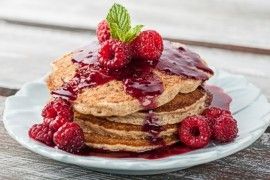 Natural whole grains contain a myriad of health-essential nutrients, from proteins to vitamins, essential
amino acids, and crucial fiber. But "white flour" consists only of the starchy endosperm of the wheat
kernel. In its natural form the endosperm provides wholesome energy, but it's the least nutrient-rich
part of the grain. Removed are the nutrient-packed bran, wheat germ, and wheat germ oil. Then to make
it extra white, industrial processors go further, chemically bleaching it, and returning just enough
of a few vitamins to stave off beriberi and rickets. They're allowed to call the end product "Enriched
Flour" but a truthful label would read "Impoverished Flour." This snow white, denutritionalized substance
is a commodity worth billions of dollars annually to its merchandisers because of a commercially useful
trait: Unlimited shelf life. No matter how long it sits in the mass distribution channel, it can't go
bad precisely because there's actually nothing left in it that can go bad. Nutritionally, it's bad when
bagged. A few companies have grown enormously rich marketing this pseudo-food on the basis of convenience,
ease, and its dazzling white appearance. And to make matters worse, artificial sweeteners, flavors and
colors, appetite stimulants and preservatives are added to many of our foods, including numerous substances
banned by other countries for their unhealthfulness. "Artificial" tells you those things aren't naturally
food. But have you ever wondered
what they actually
are, then? Did you know some of them are actually petroleum derivatives? And what harmful effects
might these complex counterfeit compounds be having on us?
Natural whole grains contain a myriad of health-essential nutrients, from proteins to vitamins, essential
amino acids, and crucial fiber. But "white flour" consists only of the starchy endosperm of the wheat
kernel. In its natural form the endosperm provides wholesome energy, but it's the least nutrient-rich
part of the grain. Removed are the nutrient-packed bran, wheat germ, and wheat germ oil. Then to make
it extra white, industrial processors go further, chemically bleaching it, and returning just enough
of a few vitamins to stave off beriberi and rickets. They're allowed to call the end product "Enriched
Flour" but a truthful label would read "Impoverished Flour." This snow white, denutritionalized substance
is a commodity worth billions of dollars annually to its merchandisers because of a commercially useful
trait: Unlimited shelf life. No matter how long it sits in the mass distribution channel, it can't go
bad precisely because there's actually nothing left in it that can go bad. Nutritionally, it's bad when
bagged. A few companies have grown enormously rich marketing this pseudo-food on the basis of convenience,
ease, and its dazzling white appearance. And to make matters worse, artificial sweeteners, flavors and
colors, appetite stimulants and preservatives are added to many of our foods, including numerous substances
banned by other countries for their unhealthfulness. "Artificial" tells you those things aren't naturally
food. But have you ever wondered
what they actually
are, then? Did you know some of them are actually petroleum derivatives? And what harmful effects
might these complex counterfeit compounds be having on us?
The human body is an absolute marvel; scientists have a long way to go to understand more than a small fraction of how we work. But as capable and as resilient as our bodies are, common sense and history teach that we need wholesome, nutritious food to remain healthy and strong. The denatured byproducts being mass marketed today don't provide what we need, because they've been profoundly altered by processes in which real nutrition is considered last, or not at all.
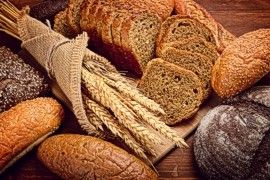 There's a great solution to this problem. By making flour in your kitchen and using the whole grain
flour while it's fresh, you get the nutrition needed for strength and health. You also get far tastier
food, with genuine character—incomparably more satisfying than today's mass marketed pretenders. After
transitioning to whole grains, putting out a plate of white styro-bread will elicit comments like "Why
are you giving us
this
... and where's the
good stuff
?". Even flour labeled as "whole grain" in stores falls far short of what you can easily grind yourself,
because unless it's ground while you wait, the essential Vitamin E in true whole grain flour would go
rancid in days (meaning that it's probably been removed), and all nutrients begin steadily oxidizing-away
from exposure to oxygen as soon as grain is milled. What's in those bags is
not
whole grain flour if it's been sitting on a shelf for even a few days; that's literally impossible.
There's a great solution to this problem. By making flour in your kitchen and using the whole grain
flour while it's fresh, you get the nutrition needed for strength and health. You also get far tastier
food, with genuine character—incomparably more satisfying than today's mass marketed pretenders. After
transitioning to whole grains, putting out a plate of white styro-bread will elicit comments like "Why
are you giving us
this
... and where's the
good stuff
?". Even flour labeled as "whole grain" in stores falls far short of what you can easily grind yourself,
because unless it's ground while you wait, the essential Vitamin E in true whole grain flour would go
rancid in days (meaning that it's probably been removed), and all nutrients begin steadily oxidizing-away
from exposure to oxygen as soon as grain is milled. What's in those bags is
not
whole grain flour if it's been sitting on a shelf for even a few days; that's literally impossible.
Making real food is more than doable, it's positively fun with help from Pleasant Hill Grain! A grain mill is the place to start. And to make whole grain bread quickly, easily and with consistently wonderful results, nothing beats a quality stand mixer that's capable of mixing and kneading bread that's ready to pop in the oven—quickly and without hand kneading. These machines make it easy to turn the corner to a far better and more enjoyable way of eating!
Specs
Shipping
Login
1 review
Not just a recipe book, but so much more. Everything you ever needed to know about working with fresh milled grains!
Featured Items
.jpg?ts=1722446879)
.jpg?ts=1722447034)




.jpg?ts=1722440160)
.jpg?ts=1722440160)
.jpg?ts=1722440160)
.jpg?ts=1722440159)


.jpg?ts=1722440158)
.jpg?ts=1722440161)

.jpg?ts=1722440161)

.jpg?ts=1722440158)
.jpg?ts=1722440160)

.jpg?ts=1722440159)
.jpg?ts=1722440158)
.jpg?ts=1722440168)

.jpg?ts=1722440161)
.jpg?ts=1722440158)
.jpg?ts=1722440160)
.jpg?ts=1722440161)
.jpg?ts=1722440158)
.jpg?ts=1722440157)
.jpg?ts=1722440160)


.jpg?ts=1722440158)
.jpg?ts=1722440159)
.jpg?ts=1722440158)
.jpg?ts=1722440158)
.jpg?ts=1722440160)
.jpg?ts=1722440160)
