
Types of Wheat & How to Use Them: A Buying Guide

(Long page, please scroll down.)

Before we get into types of wheat, we'll cover types of flour. Common types of flour include all-purpose, bread, cake, pastry, and whole grain flour. These flours vary by the type of wheat that's used, if it's blended with other flours, and if the flour has been sifted to remove any parts of the grain.
All-Purpose Flour (APF) – A blend of ground soft and hard wheat, APF is a common choice for baking recipes such as cookies and quick breads. Commercially processed APF has nearly all its vitamins, minerals, and nutrients processed out. In an attempt to compensate for the lack of nutritional quality in this processed flour a few lab-grade vitamins may be added back in to “enrich” the product. Compared to unprocessed wheat flour, processed APF has significantly lower fiber content, and a higher glycemic index rating. APF may be purchased bleached or unbleached.
Bread Flour – A high-gluten bleached or unbleached flour ground from hard spring or hard winter wheat. Malted barley and Vitamin C are added into this flour to aid in bread rising and gluten development. Bread flour has a protein content of at least 12.5%—the higher the percent, the stronger the dough rise. This is a good flour to mix with other grain flours to produce a more lightweight product.
Cake Flour – A soft flour with slightly less gluten than pastry flour. Whole grain cake flour can be made at home by substituting 2 tablespoons of finely ground soft wheat flour with 2 tablespoons of cornstarch, and then sifting the flour with cornstarch 4-5 times.
Pastry Flour – Ground from soft wheat, this flour has a lower protein (and gluten) content so it suits delicate baking better than hard wheat does.
Whole Grain Flour – Flour ground from whole grains.
How to Make Flour

To make whole grain all-purpose flour at home simply combine hard wheat flour with soft wheat flour at a 50:50 ratio. Our customers have been very happy with their results when mixing hard white or hard red wheat with our soft wheat for their general purpose whole grain flour.
Homemade bread flour is typically made by grinding hard red or hard white wheat. These common wheats will produce the most beautiful results, with a high rise and soft, open crumb. Read through the rest of this article to learn about how other varieties of wheat can be used in bread, and why you may want to expand your horizons past common red and white wheat.
Make your own whole grain cake flour by measuring 1 cup of finely ground soft wheat flour then substituting 2 tablespoons of that flour with 2 tablespoons of cornstarch or tapioca starch.
Flour ground from whole grain soft wheat is the same thing as whole grain pastry flour.
To learn more about how to make your own flour, see our Grain Mill Buying Guide.
Wheat Varieties
Ready to expand your bread baking horizons by incorporating more grains in your repertoire? Choosing which varieties of wheat to use can seem overwhelming at first—but understanding the fundamental qualities of each will help you narrow your search down to those that are ideal for your needs. With that in mind, we've prepared this comprehensive Wheat Buying Guide!
This article covers the uses and history behind many kinds of wheat, and describes some of their nutritional benefits, and genetics (those with more chromosomes are tougher for our bodies to digest, and those with fewer chromosomes and thus a simpler genetic structure, are easier on our digestion). We also explain the differences between winter and spring wheat, hard and soft wheat, and red and white wheat.
We've included rye and barley in this guide even though they aren't in the same genus as wheat, but like wheat, these grains are in the grass family and are pseudo-cereal grains that contain gluten. Because their baking qualities are similar to wheat and they can be used for bread baking, we included them in this guide.
To begin, when the wheat crop is grown determines whether it’s winter wheat or spring wheat.
Winter
Wheat planted in the fall and harvested in the late spring/early summer. Winter wheat grows a few inches tall, and then is covered with snowfall through the winter while it sits dormant until the ground warms up in early spring. In the early spring the wheat resumes growth until it’s ready to be harvested. Winter wheat tends to have slightly lower protein content than spring wheat.
Spring
Spring wheat is planted in the spring and harvested in late summer/early fall. White spring wheat is barely different from white winter wheat, but red spring wheat has a little more protein content than red winter wheat (14% to 12% respectively). Spring wheat tends to be softer than winter wheat.
Hard & Soft Wheat
Hard or soft classifications will determine what the wheat is best used for, for instance pizza dough is made with hard wheat and pancakes are made with soft wheat. Learn why, below.
Hard

Hard wheat varieties contain a high percentage of protein content, meaning the gluten structure will be strong and elastic. Hard winter wheat’s protein content ranges between 10-13%. Hard spring wheat’s protein content ranges between 10-15%. Hard wheat is ideal for making food such as bread, pasta, and pizza. Hard winter wheat grows predominately in the southwestern and mid-western prairie states whereas hard spring wheat will grow best in the Dakotas, Minnesota, and Montana.
Pleasant Hill Grain offers hard red and hard white bulk wheat berries, both ideal for baking bread. Certified and conventional choices are available. All bulk grains are natural, GMO-free, and triple-cleaned. Most choices are nitro packaged in mylar-lined plastic SuperPail buckets for absolute protection against both insects and furry intruders. We'd be delighted to talk with you about your baking needs and help you find exactly what you need! (See our non-GMO hard white wheat and hard red wheat.)

Soft
Soft wheat has a low protein content (around 7-9%) and a high starch content. Consequently there’s little gluten development when using soft wheat flour, and the gluten that will develop is of low quality. Because of these characteristics, soft wheat is ideal for pancakes, quick breads, cakes and pastries such as cookies. Cake flour and pastry flour are generally made of finely ground soft wheat.
Soft wheat can be either red wheat or white wheat; ours is organic soft white wheat, and like all of our grain, it’s non-GMO. (See our non-GMO organic soft wheat.)
Modern Wheat
Now onto color and specific species of wheat. You’ve likely heard of red and white wheat but is there any real difference between them besides the color? Both are modern (or common) wheats with a hexaploid chromosome structure (meaning they each have six sets of its seven chromosomes for a total of 42 chromosomes). Breads made with hard red and hard white wheats will be very similar; the main difference is that red wheat produces a fuller, heartier flavor, and the bread will have a slightly darker color

Red
A type of whole grain with a more robust flavor than white wheat. To sweeten the slightly bitter taste of red wheat honey may be used in a bread recipe. There are three different kinds of red wheat: hard red winter wheat, hard red spring wheat, and soft red winter wheat.
Hard winter wheat has been traditionally used for artisan bread and other whole wheat breads. When a recipe calls for “whole wheat flour,” it’s typically referring to flour made from hard red winter wheat. Hard red winter wheat accounts for about 40% of the U.S. wheat crop each year.
Soft red winter wheat, with a medium to low protein content, is commonly used for cakes and pastries.
Red wheat is a hybrid grain, which means that older varieties of wheat with qualities such as disease resistance, weather tolerance, and high protein content, were crossed to produce a crop that has all the best qualities for bread making and high yields. Red wheat was originally introduced to the Great Plains in the 1870s by immigrants from Russia. Today, the majority of wheat grown worldwide is hard red wheat.

White
White wheat is particularly light in color, mildly sweet in flavor, and the bread made with it is soft in texture.
If you're just starting out with whole grain baking and don't know how to pick, we suggest starting with hard white wheat. Note: Don't confuse "whole grain white wheat" with store-bought "white flour"! White wheat kernels are actually light brown in color. Store-bought white flour, on the other hand, is essentially nothing more than the endosperm (energy-producing carbohydrate) part of the kernel, with nearly all other nutrients removed in the interest of indefinite after-milling shelf life... which benefits huge commercial millers, at the expense of your health and the character of your food.
Hard white wheat may easily be substituted in place of all-purpose flour.
White wheat comes in two varieties: hard white winter wheat
and soft white spring wheat. Hard white winter wheat is a new development from soft spring wheat, and it’s used just as
hard red winter wheat.
Using white wheat is a good way to transition from white flour food to whole wheat food.
Ancient Grains
Now let’s look at lesser know species of wheat, we’ll dive into lesser known species of wheat, including ancient grains. But first, what are “ancient grains”?
Unlike modern wheat, ancient grains have not been genetically modified over the years, and their simpler genetic structure makes them easier to digest than modern wheat. Einkorn, khorasan, spelt, emmer, and barley are all ancient grains within the grass family that contain gluten but are easier to digest than modern wheats, are less likely to cause gut inflammation, and are tolerable for many with gluten sensitivities. Other ancient grains in the grass family are naturally gluten-free, including sorghum, oats, and millet. Pseudo-cereals are seeds that may be used in place of cereal grains, but which don't belong to the grass family. Ancient pseudo-cereals include quinoa, buckwheat, amaranth, teff, and chia seeds.
Now we’ll dive into ancient grains specifically in the grass family.
Spelt

Spelt wheat has many of the same characteristics as modern “bread wheat”. The earliest known existence of spelt is from 5000 BC, making it an ancient grain. Spelt has been a common crop and food in Europe since the middle ages and is now becoming increasingly popular in the United States. Spelt was first introduced to the U.S. in the 1890s.
By the 20th century nearly all spelt fields had been replaced by modern wheat fields to achieve higher yields at a lower production cost. (Modern wheat yields are about 40% higher than that of spelt.) Spelt is primarily grown in Germany and Switzerland now. The German word for spelt is “dinkel”. Spelt berries are slightly larger than modern wheat berries, and they have a light red hue compared to white wheat.
Since spelt grain grows with an especially thick husk, fewer (if any) chemicals are used during the growing season to control insects. Because of the ease of growing a good spelt crop, it is often grown organically.
Spelt contains a moderate amount of gluten, since it’s a species of wheat, but many people who are gluten intolerant have a better time digesting spelt than modern wheat. It is nutritious with a high protein and soluble fat content, as well as an excellent source of manganese. It’s also a good source of protein, copper, and zinc—better than several other varieties of wheat. The rich nutty flavor of spelt is stronger than that of modern wheat. (See our non-GMO organic spelt.)
Spelt, like modern red and white wheat, is a hexaploid grain, meaning it has six sets of its seven chromosomes
for a total of 42 chromosomes.
Although spelt contains gluten, it’s easier to digest than modern wheat because the gluten in spelt is more water soluble, and it becomes weaker when heated. While this is good news for our digestive systems, it makes spelt flour a little more difficult to make bread with. The gluten development in spelt dough is more fragile than dough made with modern wheat, so be careful not to over-knead spelt dough; over-kneading the dough would cause the gluten structure to break down and both the rise and texture would suffer. Spelt is an excellent choice for making bread, thanks to its nutritional qualities, flavor and texture.
A correlation is sometimes made between spelt and farro. There are conflicting explanations for the basis of this correlation; some people consider farro to be polished spelt, emmer, or einkorn, while others say farro is a different ancient wheat altogether. In any case, spelt is sometimes referred to as farro grande.

Khorasan
Khorasan wheat is an ancient wheat variety originating in the Fertile Crescent—an area in the Middle East that’s ideal for farming. Khorasan grain is relatively new to North American cultivation, even though it's an ancient grain. It’s said to have been introduced to the United States by a U.S. airman who sent the grain home to his father, and then began growing the new crop with him in Montana.
Khorasan is at least twice as large as the grain from the modern wheat variety; it has a sweet, buttery flavor and contains about 30% more protein than modern hard wheat, but less fiber. Compared to modern wheat, khorasan is also higher in its vitamin E, thiamin, riboflavin, phosphorus, magnesium, zinc, pantothenic acid, copper and its complex carbohydrate content. Originally grown in Egypt, khorasan is relatively new to North American cultivation. Khorasan is valued by athletes and fitness buffs for its highly nutritious profile.
Like all wheat varieties, khorasan contains gluten. The gluten developed with khorasan flour has good strength to it, making khorasan flour an excellent choice for yeast breads, pastries and quick breads. At Pleasant Hill Grain our favorite way to make 100% whole grain sandwich bread is to combine 50/50 spelt flour with khorasan flour. It’s a nutritious and tasty combination—try it out for yourself!
Khorasan is a tetraploid grain, meaning it has four sets of its seven chromosomes for a total of 28 chromosomes, whereas modern red and white wheat, and spelt, have six sets of seven chromosomes, for a total of 42 chromosomes. The simpler genetic structure of khorasan makes it easier to digest than modern wheats. Many people who experience gluten sensitivities are able to enjoy baked foods made with khorasan flour, but since it does contain gluten it isn’t recommended for people with Celiac disease. Khorasan’s versatility makes substituting it in place of hard wheat, soft wheat and durum wheat very simple. (See our non-GMO organic khorasan.)
Durum

Durum wheat is the hardest of all wheats and very strong, so it's an excellent choice for making pasta.
Often used in pasta making, durum flour is high in protein content, but quite low in the type of gluten
needed for bread to rise well. Since it lacks good gluten content for bread loaves this flour is usually
mixed with other grain flours when used to make bread.
Semolina is the ground middling portion of durum grain. The middling is the hardest part of the grain and can be ground from quite coarse to fine. Semolina is used to make food such as pasta, couscous, and semolina porridge (popular in Northwestern Europe and the US). Semolina from durum is light yellow in color. The middling from other grains may be ground and used in the same way, but when this is done, and referred to as “semolina” the grain used must be specified (e.g., “rice semolina”). Corn semolina is often referred to as “grits.” (See our non-GMO organic durum.)
Durum has tetraploid chromosomes, rather than the hexaploid sets found in common white or red
wheat.
Khorasan is related to durum. Both are ancient grains, and have similar baking characteristics
and flavor. Khorasan is a larger grain with a more oblong shape. Substituting up to 50% of flour in yeast
breads with durum or khorasan flour adds a delicious flavor and wonderful color to breads.
Emmer
Modern wheat is hybridized from emmer—an ancient grain. Emmer wheat, (sometimes called farro), has played a significant role in the diets of ancient civilizations such as those in Egypt, Mesopotamia, and Greece. While it declined with the rise of more productive wheat varieties, emmer has seen a revival in recent years due to its health benefits and rich flavor. Today, emmer is celebrated as a nutritious ancient grain, often used in modern cooking for its hearty texture and health-promoting properties.
Although it does contain gluten, emmer has lower amounts than regular wheat. This means it’s easier to digest, but it also makes for slightly denser bread when baking. Emmer is less processed than modern wheat and retains more of its natural nutrients. It’s often considered easier to digest for some people with wheat sensitivities. (See our non-GMO organic emmer.)
Like khorasan, emmer is a tetraploid grain, meaning it has four sets of its seven chromosomes for a total of 28 chromosomes, whereas modern red and white wheat, and spelt, have six sets of seven chromosomes, for a total of 42 chromosomes.
When substituting emmer flour for all-purpose or whole wheat flour in recipes, keep the following tips in mind:
- Texture: Emmer flour is denser than refined white flour, so baked goods made with it may have a heavier texture. You may want to combine it with lighter flours (like white or all-purpose flour) to achieve a fluffier texture in cakes or muffins.
- Hydration: Because emmer flour absorbs more liquid than refined flour, you might need to adjust the amount of water or other liquids in your recipes.
- Leavening: Emmer flour doesn't rise as much as refined wheat flour, so recipes may require additional leavening agents (like baking soda or yeast) to achieve a good rise.

Einkorn
Einkorn wheat hasn't been widely produced for many years because it’s more difficult to harvest and yields only one fifth as much volume compared to modern wheat. But interest in it has grown rapidly as awareness of its great nutritional advantages has spread.
The protein content of einkorn is 30-50% higher than in modern wheats. In addition to its high protein content, einkorn contains large amounts of essential fatty acids, antioxidants lutein and beta-carotene, minerals phosphorus, iron, zinc, potassium and manganese, and vitamins A, B2 and B6. Einkorn also contains 30% less starch than modern wheat.
Einkorn is a diploid grain, meaning it has two sets of its seven chromosomes for a total of just 14 chromosomes, whereas modern red and white wheats, and spelt, have six sets of seven chromosomes, for a total of 42 chromosomes.
The simpler genetic structure of einkorn makes it easier to digest than modern wheats. Many people who experience gluten sensitivities are able to enjoy baked foods made with einkorn flour, but since it does contain gluten it isn’t recommended for people with Celiac disease.
Bread dough made with einkorn flour is less elastic than dough made with modern wheat, and because there
isn’t a lot of elasticity to develop, einkorn dough can be fully kneaded in a very short time making
it easy to knead by hand. The gluten structure of einkorn is less strong than that of modern wheat, so
to prevent falling while baking, it's important not to let einkorn over-proof. (See our non-GMO organic einkorn.)
Einkorn flour absorbs less liquid and takes a little longer to absorb liquid than modern wheat flours do; this should be taken into consideration when substituting einkorn flour for modern wheat flour in yeast bread recipes. A good place to start when converting yeast bread recipes for einkorn is to use ⅓ less liquid than the recipe calls for (eggs and butter shouldn’t be considered a liquid).
Whole grain einkorn flour can usually be substituted in equal measurement for modern wheat whole grain flour in quick breads, pancakes, cookies and cakes, but generally you’ll need to reduce liquid by 10-15% in these recipes. Einkorn doughs and batters will be a bit stickier to work with than those made with modern grains, but baking results are not adversely affected. We recommend The Einkorn Cookbook as a great resource for tasty, wholesome recipes.
The word einkorn is German and means “one kernel”, referring to the single floret in a spikelet of einkorn
grass; modern wheats grow 3-5 florets per spikelet. Einkorn is also known by other names including farro
piccolo (Italian), shippon (Hebrew), and le petit épeautre (French).
Rye

Note: Rye isn't technically wheat because it's not in the triticum genus, but like wheat, it's a cereal grain in the grass family, and it contains gluten, so its baking properties are similar. Because of its similarities to wheat, we've included it in this guide.
Rye grows well in poor soil and harsh climates, surviving in both drought and near-freezing conditions. Today, rye is mainly cultivated in Eastern, Central and Northern Europe, particularly in Germany, Russia and Poland. Rye is similar to modern hard wheat, but contains more fiber, protein, phosphorus, potassium, iron and B vitamins. The gluten in rye is weaker than in modern wheat, which means baked goods made with 100% rye flour are denser and heavier than those made with modern hard wheat. While rye bread (often called black bread) is dense and heavy, it’s loved by many!
For those unfamiliar with rye, it’s easy to think the grain has a bitter flavor because rye bread is often bitter tasting; but the rye grain itself actually has a very mild, slightly acidic flavor. Strong bitter flavors such as molasses and caraway seeds, anise seeds, or fennel seeds are often added to rye breads imparting the intense, rich flavor that we often associate with rye (black) breads.
Rye berries are soft and can easily be flaked for cooking into a hot breakfast cereal.
Malted rye is used to make whiskey and beer, and a traditional fermented Russian beverage called kvass is made with rye bread.
Whole grain rye (sometimes called rye berries) can be ground into flour using an impact, steel burr or stone burr grain mill. Whole grain rye flour is considered “dark” rye flour, while rye flour that’s been sifted to remove the bran is considered “light”. Dark rye flour is quite light in color though, close to a khaki color, while light rye flour is just slightly whiter. The dark color we typically see in rye bread comes from the addition of molasses or cocoa powder. (See our non-GMO organic rye.)
Working with rye dough can be tricky because the dough easily becomes sticky. If using an electric mixer to make your dough it’s best to use the slowest speed. Mixers with spiral dough hooks are especially good for making rye dough as the motion of the spiral dough hook is very gentle on the dough. If you’re new to rye flour try combining it with hard white or red wheat flour before attempting a 100% rye loaf.
Making rye bread can be a fun challenge and the unique flavors that can be added to rye breads are interesting to experiment with. Some rye bread recipes call for additions of espresso powder, vinegar, onions, oranges or even chocolate. From marbled pumpernickel and Swedish Limpa, to Russian sourdough borodinsky, Jewish deli ryes, Polish buttermilk ryes and Boston brown bread, the variations are endless!
Like einkorn, rye is a diploid grain, meaning it has two sets of its seven chromosomes for a total of 14 chromosomes, rather than the hexaploid sets found in common white or red wheat.

Barley
Note: Barley isn't technically wheat because it's not in the triticum genus, but like wheat, it's a cereal grain in the grass family, and it contains gluten, so its baking properties are similar. Because of its similarities to wheat, we've included it in this guide.
Barley, with its mildly sweet, nutty flavor and low gluten content, can be used in a variety of ways from cooking for a salad or risotto-style dish, to thickening soups, grinding into flour for bread, muffins, pancakes or other baked goods, and flaking for porridge or granola. In the U.S. it’s not typically used for bread making although it has been the primary grain for bread in some cultures. It’s regarded as a prized source of energy for athletes.
Barley contains less gluten than wheat, so while barley flour can be used in yeast breads, its gluten development is weak. We recommend combining barley flour with modern red or white wheat flour to achieve strong gluten development in yeast breads. Barley flour can be successfully used for 20-25% of the flour in yeast breads and up to 50% in quick breads and pastries. It can also help tenderize and add nutrition to recipes that tend to become tough from too much gluten development, such as muffins and pancakes made with all-purpose flour.
Unhulled barley is barley in its whole-grain state, with its hull still intact; as a whole grain it can be used for sprouting and malting. Hulls are inedible unless you are a horse.
Hulled barley (also called dehulled barley or barley groats) has been minimally processed to remove the tough, inedible outer layer, which is sometimes called the husk. Hulled barley is considered a whole grain, since it contains the germ, the bran and the endosperm of the grain.
Hulless barley (also called naked barley) is barley that grows with a free-threshing hull, which means the hull sheds easily during normal threshing that occurs in the field when the grain is harvested. Due to lower yields and the fragility of the grain, it's an uncommon variety. This type is also considered a whole grain. (See our non-GMO organic hulless barley.)
Pearl barley (also called pearled) is hulled barley with the ends of the grain polished off, to create a rounder shape. Polishing barley removes its germ and much, or all of the bran. Hulled barley goes rancid easily, while pearled barley can be stored much longer without spoiling. (See our non-GMO organic pearl barley.)
Pearl barley cooks about three times faster than hulled barley. Both hulled barley and pearl barley can be ground into flour. Pearl barley is the most common choice for cooking and baking; if a recipe doesn’t specify what kind of barley to use, you can safely assume it’s pearl barley.
Fiber in barley is present throughout the grain, not just in the bran layer (which is where fiber is restricted to in most grains). This means that pearl barley, while refined, is still quite nutritious, much more so than choices like commercial white wheat flour or white rice flour. Barley absorbs liquid as it cooks, which makes it triple in size, similar to how tapioca pearls plump up when cooked in liquid.
Pearl barley releases starch as it cooks, which is what thickens soups, and makes barley an ideal choice for cooking into risotto. If you don’t want to thicken your recipe by adding barley, cook your barley first and rinse it, before adding it to soups and casseroles.
Like einkorn and rye, barley is a diploid grain, meaning it has just two sets of its seven chromosomes for a total of 14 chromosomes, rather than the hexaploid sets found in modern red or white wheat.
Comparison Chart for Types of Wheat
Wheat Comparison Chart |
|
|
Avg. Protein Content |
Chromosomes | Digestibility | Gluten Elasticity | Recommended For | Notable Baking Traits | Water Absorption of Flour | Botanical Name |
|
12.5% |
42 | More Difficult | Strong | Yeast Bread, Bagels, Pizza
|
Robust, wheaty, slightly nutty & malty. Chewy, open, irregular crumb. High volume, springy bite. | 62–68%+ | triticum aestivum | |
| Hard White | 12% | 42 | More Difficult | Strong | Yeast Bread, Bagels, Pizza | Light-colored, kid-friendly. Mild, sweet, clean wheat. Chewy, open crumb. | 62–70% | triticum aestivum |
| Soft Red | 9.5% | 42 | More Difficult | Weak | Quick Breads, Cakes & Pastries | Very mild, slightly sweet, clean. Ultra-tender, melt-in-mouth crumb. Known as "Southern” wheat. | 80–100% | triticum aestivum |
| Soft White | 8.5% | 42 | More Difficult | Weak | Quick Breads, Cakes & Pastries | Mild, sweet, clean wheat. Tender, delicate crumb. | 80–100% | triticum aestivum |
| Spelt | 12.5% | 42 | Moderate | Moderate | Breads 1 & Pastries | Nutty, earthy, slightly sweet. Medium open crumb. | 64–70% | triticum spelta |
| Khorasan | 15% | 28 | Good | Moderate |
|
Rich, nutty, buttery, and slightly sweet. Forms extensible dough without gumminess. | 66–72% | triticum turanicum |
| Durum | 14% | 28 | Good | Strong | Pasta | Clean, wheaty, slightly sweet. Extremely firm, elastic bite. | 48–52% | triticum durum |
| Emmer | 15% | 28 | Good | Weak-Moderate | Breads 1 & Pastries | Intensely nutty, earthy, slightly sweet. Chewy crumb. | 62–68% | triticum dicoccum |
| Einkorn | 13.5% | 14 | Best | Weak | Breads 1 & Pastries | Oldest variety. Rich, buttery, sweet-nutty. Tender, crumbly crumb. | 58–64% | triticum monococcum |
| Rye | 12.5% | 14 | Best | Weak | Breads 1 & Pastries | Intense, tangy, slightly sour. Dense, chewy, moist crumb in bread. Dough becomes very sticky; gentle, slow kneading is best. | 80%+ | secale cereale 2 |
| Barley | 12% | 14 | Best | Weak | Soups, Casseroles & Flat breads | Versatile grain. Mildly nutty, earthy, slightly sweet. Produces thick, starchy broth. Dense, moist crumb. | 90–110% | hordeum vulgare 2 |
|
Table Notes: 1. Since the gluten elasticity in this wheat isn't strong, we recommend combining it with modern wheat or adding vital wheat gluten to achieve a better rise and a more open crumb. 2. This grain isn't technically wheat because it's not in the triticum genus, but like wheat, it's a cereal grain in the grass family, and it contains gluten, so its baking properties are similar. Because of its similarities to wheat, we've included it in this chart. |
||||||||

Countries of Origin of Grains at Pleasant Hill Grain
PHG does not sell any grains, beans, lentils, pulses or seeds sourced from China. Visit individual product pages to see which country each grain is currently sourced from.
Natural, Non-GMO
All of Pleasant Hill Grain's whole grain products are natural (non-GMO), and many are organic.
Grinding Whole Grain Flour
Wondering which types of wheat can be ground in a home use grain mill to make flour? They all can! The quality mills we offer at Pleasant Hill Grain have a wide range of abilities and use a variety of unique designs. This grain mill overview page addresses common grain milling questions, like: How finely should a mill grind? How important is milling speed? What difference does burr type make? With different mills offering very different degrees of versatility, choosing one can seem overwhelming at first—but understanding a few grain mill fundamentals will help you narrow your search down to a grain mill that’s ideal for your needs.
WHOLE GRAIN NUTRITION: HARVEST THE BENEFITS!
Imagine that for years, your children ate mainly candy. Imagine that you did, too. Imagine an entire nation on a candy diet. Imagine the health consequences.
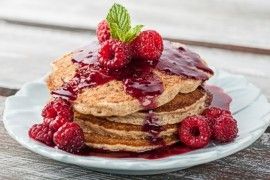 Natural whole grains contain a myriad of health-essential nutrients, from proteins to vitamins, essential
amino acids, and crucial fiber. But "white flour" consists only of the starchy endosperm of the wheat
kernel. In its natural form the endosperm provides wholesome energy, but it's the least nutrient-rich
part of the grain. Removed are the nutrient-packed bran, wheat germ, and wheat germ oil. Then to make
it extra white, industrial processors go further, chemically bleaching it, and returning just enough
of a few vitamins to stave off beriberi and rickets. They're allowed to call the end product "Enriched
Flour" but a truthful label would read "Impoverished Flour." This snow white, denutritionalized substance
is a commodity worth billions of dollars annually to its merchandisers because of a commercially useful
trait: Unlimited shelf life. No matter how long it sits in the mass distribution channel, it can't go
bad precisely because there's actually nothing left in it that can go bad. Nutritionally, it's bad when
bagged. A few companies have grown enormously rich marketing this pseudo-food on the basis of convenience,
ease, and its dazzling white appearance. And to make matters worse, artificial sweeteners, flavors and
colors, appetite stimulants and preservatives are added to many of our foods, including numerous substances
banned by other countries for their unhealthfulness. "Artificial" tells you those things aren't naturally
food. But have you ever wondered
what they actually
are, then? Did you know some of them are actually petroleum derivatives? And what harmful effects
might these complex counterfeit compounds be having on us?
Natural whole grains contain a myriad of health-essential nutrients, from proteins to vitamins, essential
amino acids, and crucial fiber. But "white flour" consists only of the starchy endosperm of the wheat
kernel. In its natural form the endosperm provides wholesome energy, but it's the least nutrient-rich
part of the grain. Removed are the nutrient-packed bran, wheat germ, and wheat germ oil. Then to make
it extra white, industrial processors go further, chemically bleaching it, and returning just enough
of a few vitamins to stave off beriberi and rickets. They're allowed to call the end product "Enriched
Flour" but a truthful label would read "Impoverished Flour." This snow white, denutritionalized substance
is a commodity worth billions of dollars annually to its merchandisers because of a commercially useful
trait: Unlimited shelf life. No matter how long it sits in the mass distribution channel, it can't go
bad precisely because there's actually nothing left in it that can go bad. Nutritionally, it's bad when
bagged. A few companies have grown enormously rich marketing this pseudo-food on the basis of convenience,
ease, and its dazzling white appearance. And to make matters worse, artificial sweeteners, flavors and
colors, appetite stimulants and preservatives are added to many of our foods, including numerous substances
banned by other countries for their unhealthfulness. "Artificial" tells you those things aren't naturally
food. But have you ever wondered
what they actually
are, then? Did you know some of them are actually petroleum derivatives? And what harmful effects
might these complex counterfeit compounds be having on us?
The human body is an absolute marvel; scientists have a long way to go to understand more than a small fraction of how we work. But as capable and as resilient as our bodies are, common sense and history teach that we need wholesome, nutritious food to remain healthy and strong. The denatured byproducts being mass marketed today don't provide what we need, because they've been profoundly altered by processes in which real nutrition is considered last, or not at all.
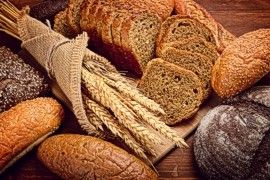 There's a great solution to this problem. By making flour in your kitchen and using the whole grain
flour while it's fresh, you get the nutrition needed for strength and health. You also get far tastier
food, with genuine character—incomparably more satisfying than today's mass marketed pretenders. After
transitioning to whole grains, putting out a plate of white styro-bread will elicit comments like "Why
are you giving us
this
... and where's the
good stuff
?". Even flour labeled as "whole grain" in stores falls far short of what you can easily grind yourself,
because unless it's ground while you wait, the essential Vitamin E in true whole grain flour would go
rancid in days (meaning that it's probably been removed), and all nutrients begin steadily oxidizing-away
from exposure to oxygen as soon as grain is milled. What's in those bags is
not
whole grain flour if it's been sitting on a shelf for even a few days; that's literally impossible.
There's a great solution to this problem. By making flour in your kitchen and using the whole grain
flour while it's fresh, you get the nutrition needed for strength and health. You also get far tastier
food, with genuine character—incomparably more satisfying than today's mass marketed pretenders. After
transitioning to whole grains, putting out a plate of white styro-bread will elicit comments like "Why
are you giving us
this
... and where's the
good stuff
?". Even flour labeled as "whole grain" in stores falls far short of what you can easily grind yourself,
because unless it's ground while you wait, the essential Vitamin E in true whole grain flour would go
rancid in days (meaning that it's probably been removed), and all nutrients begin steadily oxidizing-away
from exposure to oxygen as soon as grain is milled. What's in those bags is
not
whole grain flour if it's been sitting on a shelf for even a few days; that's literally impossible.
Making real food is more than doable, it's positively fun with help from Pleasant Hill Grain! A grain mill is the place to start. And to make whole grain bread quickly, easily and with consistently wonderful results, nothing beats a quality stand mixer that's capable of mixing and kneading bread that's ready to pop in the oven—quickly and without hand kneading. These machines make it easy to turn the corner to a far better and more enjoyable way of eating!
Useful Facts About Grain & Flour Yield
- 1 cup of whole red/white wheat grain makes about 1.5 cups of flour
- 1 pound of red/white wheat grain makes 1 pound of whole wheat flour
- 1 pound of red/white wheat makes 1 typical bread loaf in an 8-inch loaf pan
- A 45 lb. bucket of red/white wheat contains about 95-98 cups of wheat (density naturally varies a little)
- Wheat grain is also known as "wheat berries"

Additional Options
Pleasant Hill Grain offers over thirty kinds of whole grain products!
Our food category offers many selections of baking ingredients, delicious dried fruits and vegetables, long-term storable foods, canned meat, fish, and poultry, sweeteners and more.
As a whole grains shopper you may also be interested in hand crank and electric grain mills and grain flakers as well as heavy duty Bosch mixers, Ankarsrum (formerly Electrolux), Haussler spiral dough mixers, and Spiralmac spiral dough mixers! We also offer electric, brick ovens made by RackMaster and Rofco.
Gamma Seal Lids are remarkably practical two-part gadgets that transform standard plastic buckets into rugged, gasketed, resealable storage containers that are both air-tight and water-tight.
Over 30 Kinds of Whole Grain Products
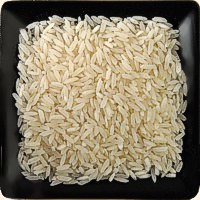
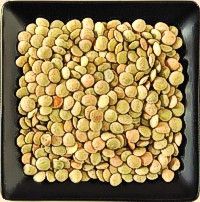
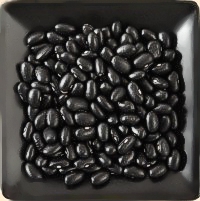
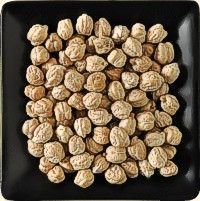

NEED A LOT OF GRAIN?
When you order a full pallet of grain (36 buckets) or more, you earn a discount of $25 per bucket. And if you order 3 full pallets or more, the discount is $30 per bucket. (See the discount amounts in the table below.) These terms apply to this offer:
- Your order may consist of a single product, or any combination of these grain, beans, rice, etc.
- Total quantity must be a multiple of 12. So you can order 36 or 48 or 60 buckets, but not 37 or 55, for example.
- You must have a quantity of at least 36 buckets, in a total quantity divisible by 12, in your cart for the discount to apply.
- This offer applies to grain, beans, lentils, rice, or oilseeds (such as flax) that are packaged in buckets.
- All buckets must be in stock.
- The order can be delivered in one of two ways:
1.) It can be delivered to a business address with a forklift or dock and which is NOT also a residence.
2.) OR the order may be picked up at the freight terminal in your area, within 3 business days of arrival. (Storage charges would start after 3 days.)
BULK SUPERPAIL DISCOUNT |
|
No. Buckets |
Bucket Discount |
Total Discount |
|
36 |
$25 |
$900 |
|
48 |
$25 |
$1200 |
|
60 |
$25 |
$1500 |
|
72 |
$25 |
$1800 |
|
84 |
$25 |
$2100 |
|
96 |
$25 |
$2400 |
|
108 |
$30 |
$3240 |
|
120 |
$30 |
$3600 |
|
132 |
$30 |
$3960 |
|
144 |
$30 |
$4320 |
|
156 |
$30 |
$4680 |
|
168 |
$30 |
$5040 |
Orders of 36 buckets or more will receive the discounts above automatically, in your shopping cart.
Please give us a call or
email if you have any questions.
Is a pallet of grain just too much for your family? How about getting a group of friends together who also want to improve their family's health by cooking and baking with whole grains, and placing a bulk order together?

